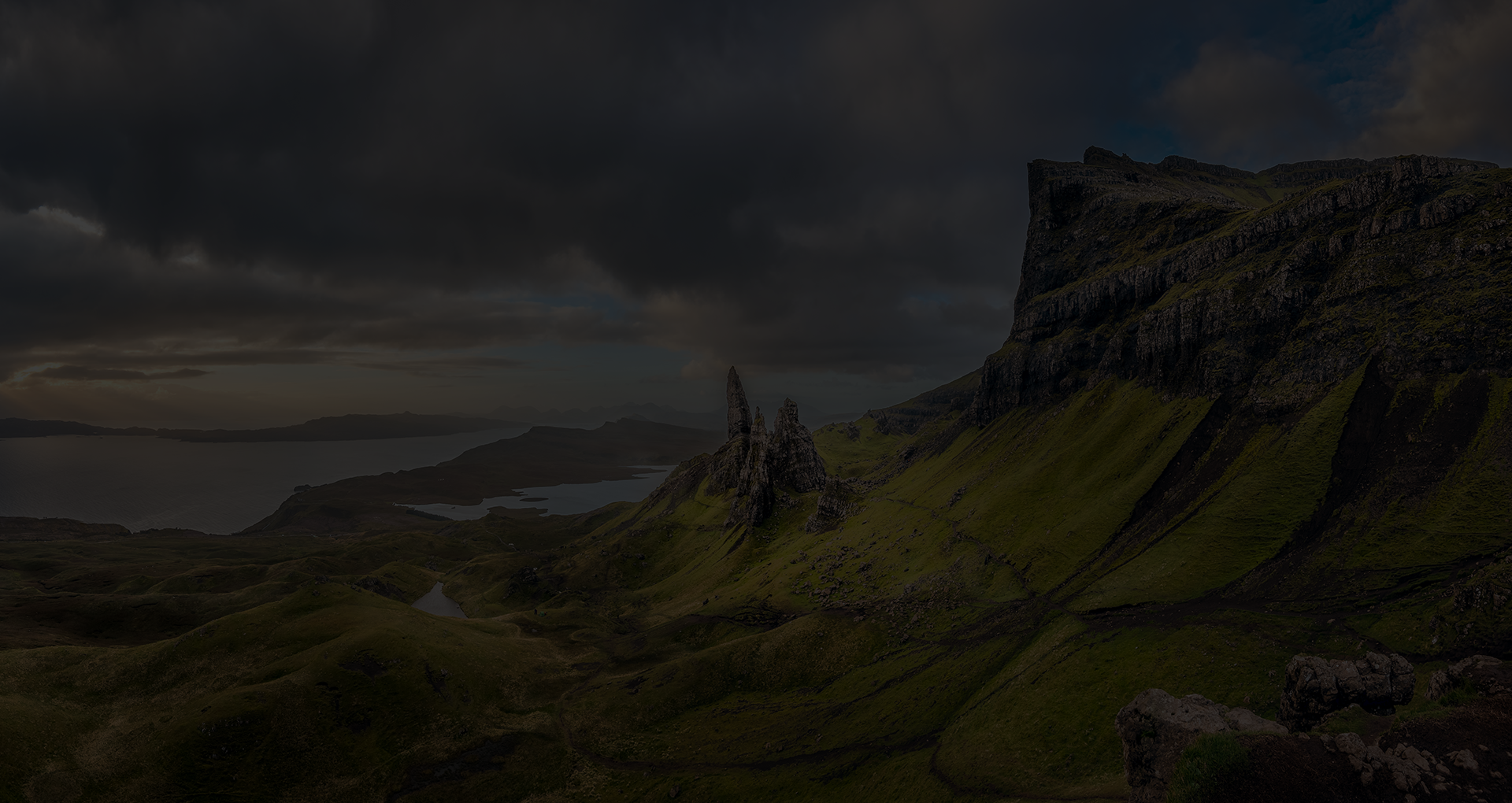
Unveiling the rugged beauty of Scottish travel
From mist-shrouded Highland peaks to vibrant Edinburgh streets, this land offers cultural heritage tours and breathtaking outdoor adventures. Travelers encounter a unique blend of Scottish nature, scenic drives, and sophistication.

Perfect places
The best touring pitches and campsites across Scotland
Between majestic mountains, shimmering lochs, and rugged coastlines, Scotland offers landscapes for every road trip. Whether seeking seclusion for wild camping or comfortable holiday parks, each stay promises hiking adventures and relaxation.
Trekkers explore long-distance routes in the Highlands, while water sports enthusiasts appreciate the unspoiled beaches of the Hebrides.
Wild environments
Exploring untamed Scottish natural landscapes

Highland mountain ranges
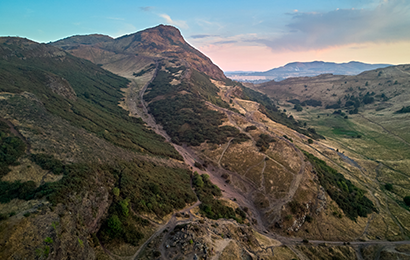
Munros and Corbetts challenge hill walkers to ascend slopes, offering panoramic views over glens carved by ancient glaciers during scenic trekking.

Freshwater lochs and rivers
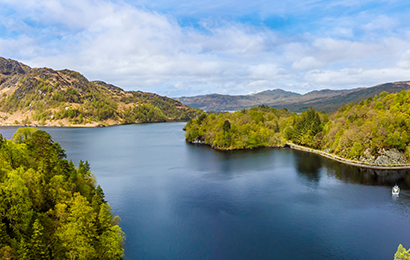
These vast bodies of water reflect changing skies, providing habitats for otters and serving as serene settings for canoeing and fishing trips.

Rugged coastal driving routes
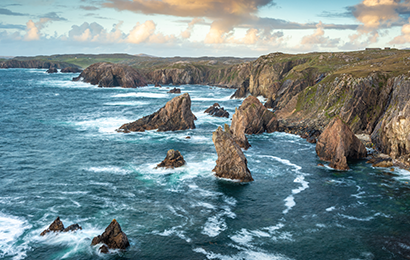
Atlantic waves crash against towering cliffs and pristine beaches, creating dramatic ecosystems where huge seabird colonies thrive for wildlife watching tours.
Flavors and traditions
Traditional Scottish food and drink

01
Haggis
A savory pudding made with sheep’s offal, oats, onions, and spices, traditionally served with “neeps and tatties” at Burns Suppers.


Ancestral legacy
Discovering Scottish history and culture

Clans and Tartans
Specific tartan designs represent distinct family lineages, preserving a visual language of kinship that remains a powerful symbol of Celtic identity.

Gaelic language revival
Spoken primarily in the Western Isles, this ancient tongue carries the oral traditions, songs, and poetry of the Celtic people.
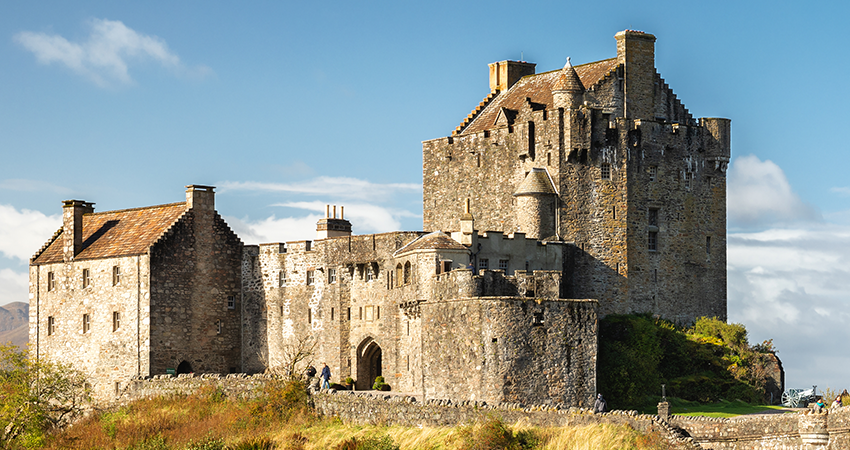
Architectural heritage
Neolithic sites, medieval fortresses, and Victorian tenements tell the story of human settlement and social evolution across the ages.